Disclaimer: The information on this website is for informational purposes only and does not replace professional medical advice. Do not engage in self-treatment.
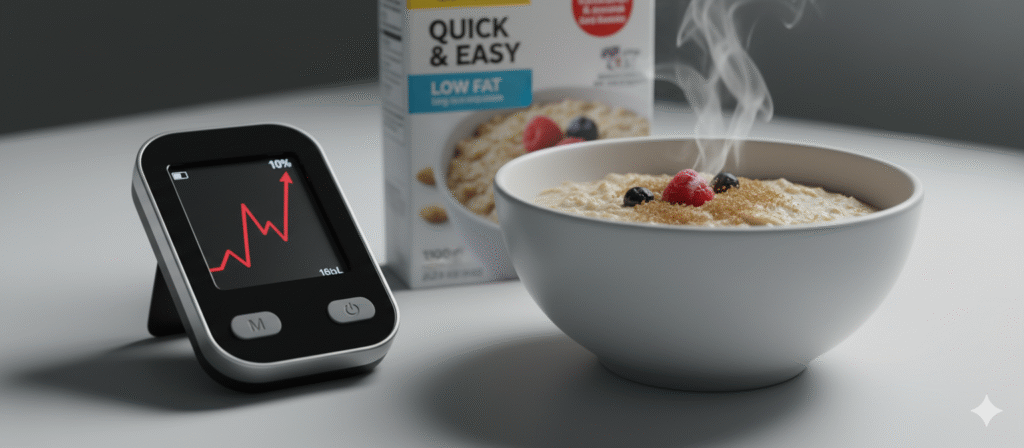
The Morning “Healthy” Trap
For decades, we have been told that a big bowl of oatmeal is the “gold standard” for a healthy breakfast.
Doctors, celebrities, and food commercials all praise oats for being heart-healthy and full of fiber.
But if oatmeal is so good for us, why are so many people still struggling with weight gain and mid-morning energy crashes?
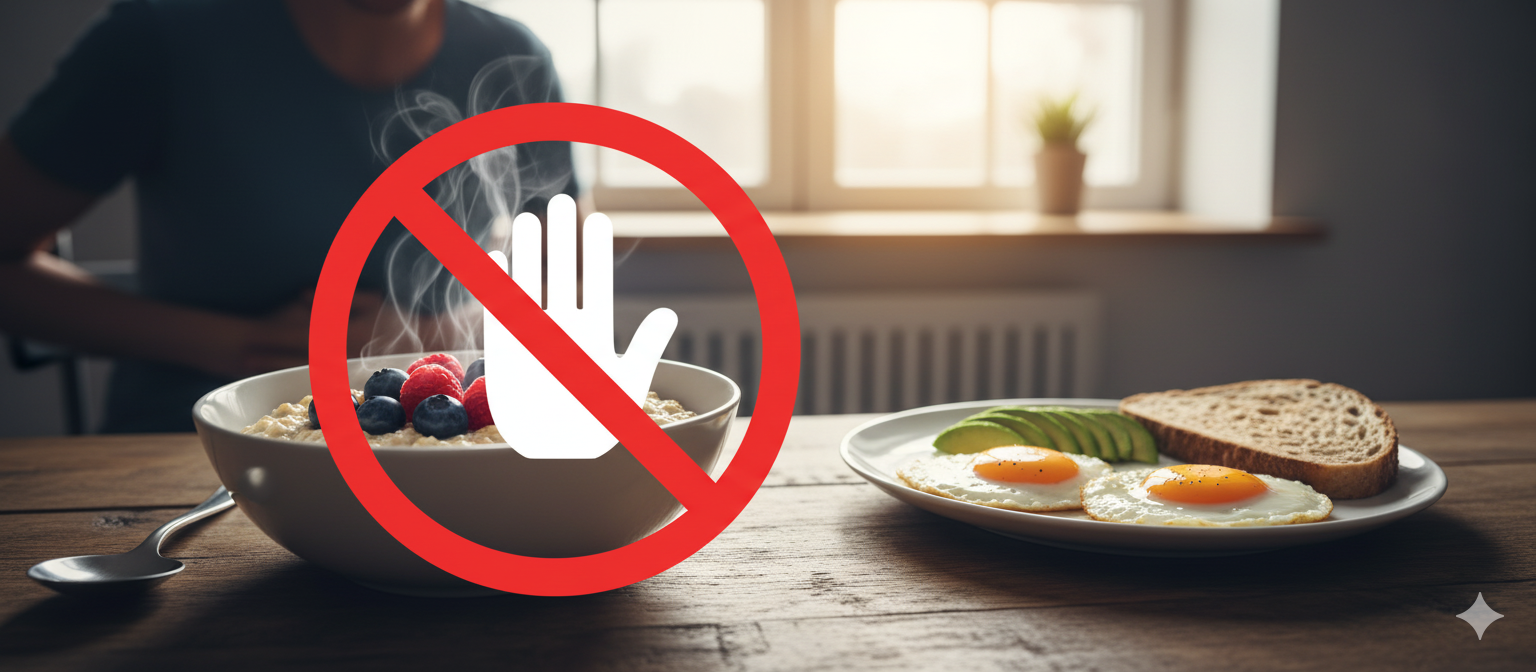
The truth is that for many people, especially those with insulin resistance, oatmeal is one of the worst ways to start the day.
While it is marketed as a health food, the way it interacts with your blood sugar can actually shut down fat burning for hours.
In this article, we will explore the science of why oatmeal might be sabotaging your weight loss goals.
We will also look at what you should be eating instead to keep your metabolism in high gear all day long.
1. The Great Insulin Spike
The biggest problem with oatmeal lies in its carbohydrate structure and how it affects your hormones.
Even though oats contain fiber, they are primarily composed of complex carbohydrates that the body breaks down into glucose.
For many individuals, consuming 40 to 60 grams of carbs first thing in the morning causes a massive spike in blood sugar.
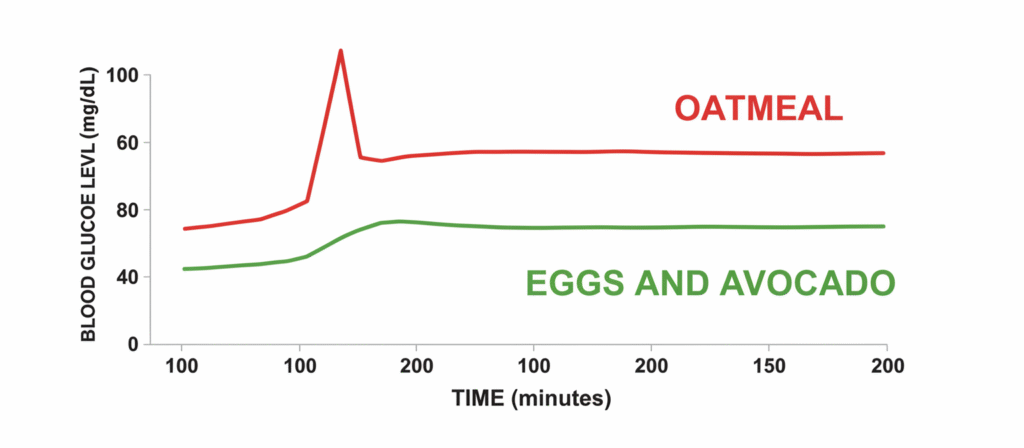
When blood sugar spikes, the pancreas releases a large amount of insulin to bring it back down.
Insulin is known as the “fat-storage hormone.” When insulin levels are high, your body physically cannot burn stored body fat for fuel.
By starting your day with oats, you are essentially telling your body to stay in “storage mode” rather than “burning mode.”
This hormonal signal can stay active for several hours, making it nearly impossible to lose weight even if you are exercising.
If you struggle with stubborn belly fat, your morning oatmeal could be the primary culprit.
2. The “Instant” Oatmeal Disaster
Not all oats are created equal, but the most popular versions are often the most damaging to your metabolism.
Instant oatmeal packets are highly processed. The oats are pre-cooked, dried, and rolled thin so they cook in minutes.
This processing removes much of the beneficial structure of the grain, making it even faster for your body to convert into sugar.
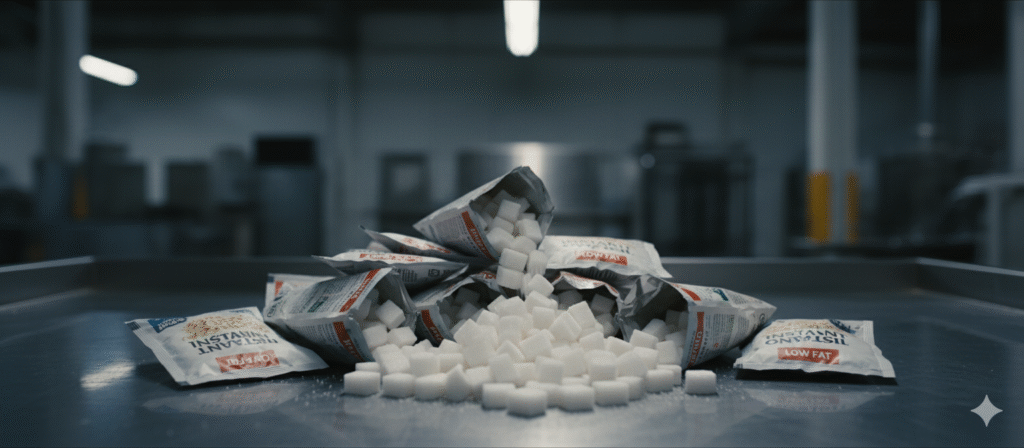
Furthermore, most flavored instant oats are loaded with added sugars, corn syrup, and artificial flavorings.
Even the “plain” versions have a high glycemic index, meaning they hit your bloodstream almost as fast as white bread.
Many people think they are making a healthy choice, but they are effectively eating a bowl of “cereal soup.”
If you absolutely must eat oats, steel-cut oats are a better option, but they still pose a risk for those with metabolic issues.
The faster the cooking time, the faster the blood sugar spike.
3. The Hunger Trap: Why You’re Starving by 10 AM
Have you ever noticed that you feel incredibly hungry just two hours after eating a large bowl of oatmeal?
This is called “reactive hypoglycemia.” When your blood sugar spikes from the oats, insulin often overcorrects.
This causes your blood sugar to crash below normal levels shortly after breakfast.

When your blood sugar crashes, your brain sends out intense hunger signals and cravings for more sugar and carbs.
This creates a vicious cycle of “eating-crashing-craving” that lasts for the entire day.
You end up eating more calories throughout the afternoon because your morning meal didn’t provide stable energy.
Oatmeal lacks the protein and healthy fats necessary to trigger “satiety hormones” like cholecystokinin (CCK).
Without these hormones, your brain never truly receives the signal that you are full.
You are left feeling “full” in your stomach but “starving” in your cells.
4. The Antinutrient Factor: Phytic Acid
Oats, like many grains, contain a compound called phytic acid, which is often referred to as an “antinutrient.”
Phytic acid binds to important minerals in your digestive tract, such as magnesium, zinc, and calcium.
When these minerals are bound to phytic acid, your body cannot absorb them properly.
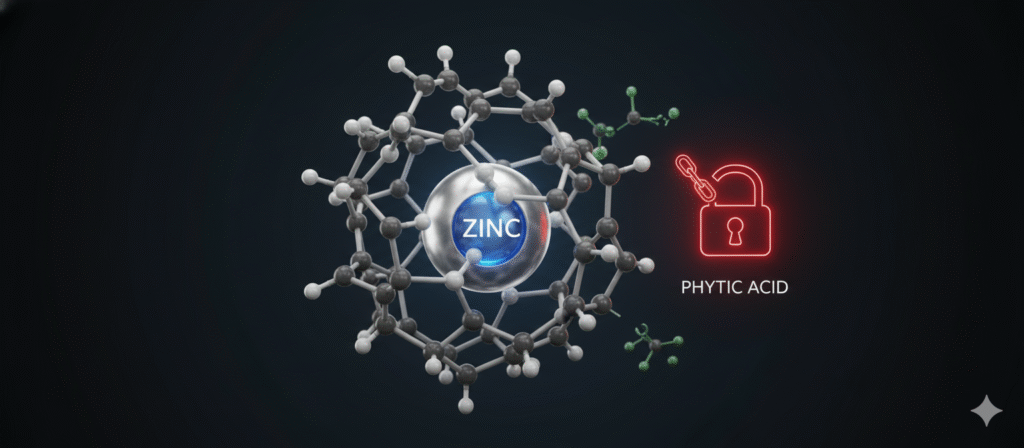
Over time, a diet high in unsoaked grains like oatmeal can contribute to minor mineral deficiencies.
Magnesium is particularly important for metabolism; without enough of it, your body struggles to regulate insulin.
This creates a “double-whammy” effect: you are spiking your insulin with carbs while simultaneously blocking the minerals that help manage insulin.
While traditional cultures often soaked or fermented their grains to reduce phytic acid, modern oatmeal is rarely prepared this way.
This makes the nutrients in the oats much less “bioavailable” than the packaging claims.
5. What to Eat Instead: The Protein-First Breakfast
If you want to protect your metabolism and lose weight, the best strategy is to flip your breakfast upside down.
Instead of a “carb-heavy” start, focus on a “protein and fat-heavy” start.
Eggs, avocado, smoked salmon, or even a high-quality protein shake are much better choices for metabolic health.

When you eat protein and fat for breakfast, your blood sugar remains stable and flat.
This allows your insulin levels to drop, which finally signals your body to start burning its own fat stores for energy.
Protein also takes much longer to digest, keeping you full and focused until lunchtime.
Studies have shown that people who eat a high-protein breakfast eat significantly fewer calories at lunch and dinner.
You don’t have to give up oats forever, but saving them for “active” days or eating them in smaller portions after a protein source is a much smarter approach.
Your metabolism thrives on stability, not on the “rollercoaster” that oatmeal provides.
Listen to Your Body, Not the Labels
The food industry spent millions of dollars convincing us that oatmeal is the ultimate health food.
But the most important data comes from your own body and how you feel after eating.

If you feel tired, hungry, or bloated after your morning oats, it is a clear sign that they aren’t working for your metabolism.
Experiment with a low-carb, high-protein breakfast for one week and monitor your energy and cravings.
You might find that the “healthy” breakfast you’ve been eating was actually the very thing holding you back.
Be attentive to your body’s signals. Your health is in your hands.
References & Sources
- PubMed: Effect of breakfast composition on energy intake and cognitive function.
- World Health Organization (WHO): Technical report on diet, nutrition, and the prevention of chronic diseases.
- Wikipedia: The Glycemic Index and its impact on insulin production.
- The Journal of Nutrition: Phytic acid interactions with mineral absorption in humans.
- Harvard Health Publishing: The low-down on glycemic index and glycemic load.